Not long ago, an individual requiring medical monitoring, wound therapy, or structured physical rehabilitation had few alternatives outside of extended hospital stays or specialized rehabilitation facilities. While acute care facilities are indispensable for emergency stabilization and surgical interventions, they are rarely the most soothing or restorative places for sustained recovery.
Clinical environments can be disorienting for older adults. Unfamiliar noises, fluorescent lighting, altered sleep schedules, and the constant disruption of shift changes can provoke hospital-acquired delirium, heightened anxiety, and exposure to secondary infections.
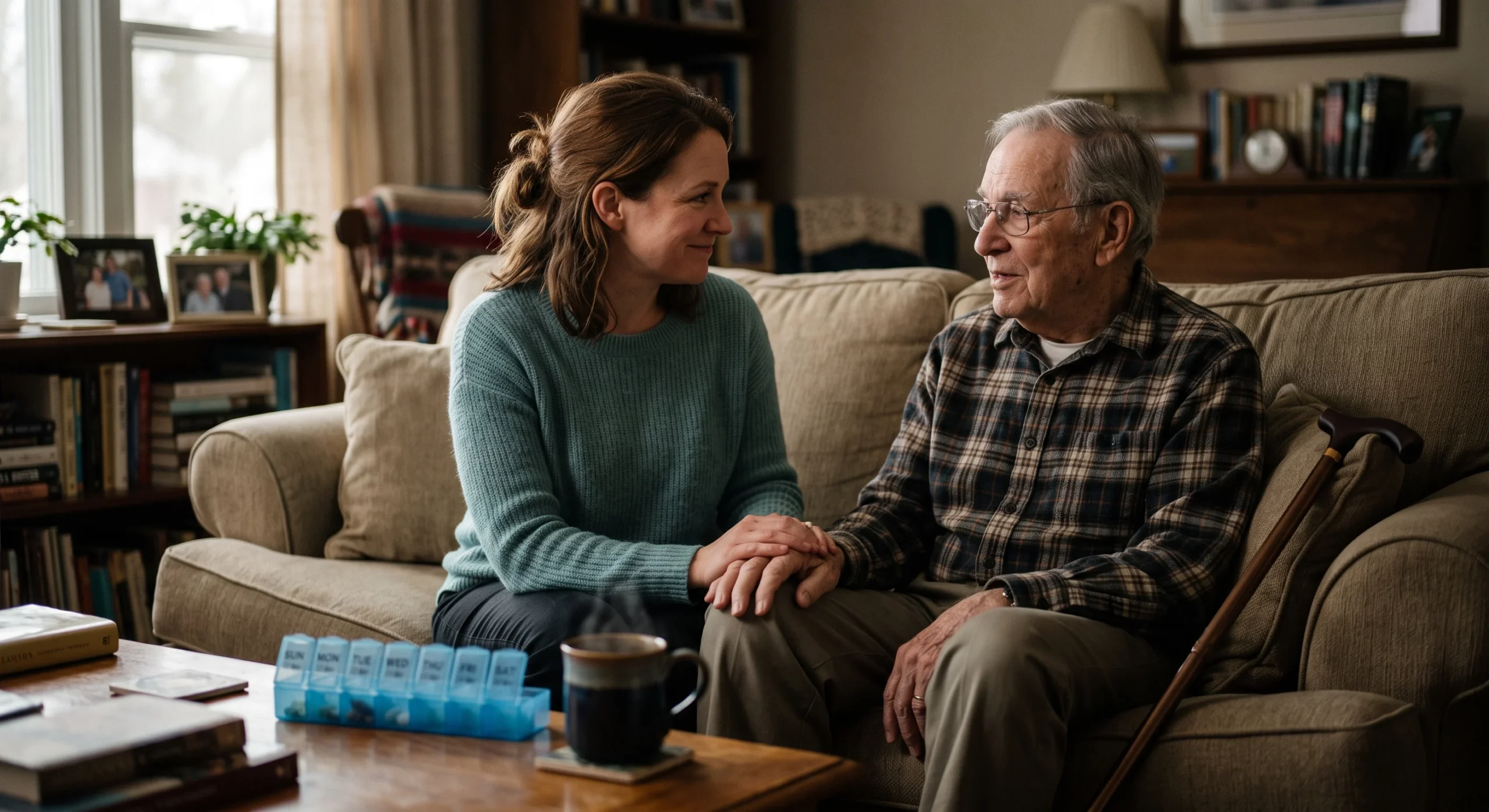
Today, advanced home healthcare has transformed this landscape. Through licensed in-home nursing and professional home physiotherapy, seniors can receive hospital-grade clinical oversight and targeted physical rehabilitation within the comforting, familiar walls of their own homes.
Understanding how clinical home care bridges the gap between acute medical intervention and daily living reveals why it has become the gold standard for modern eldercare.
1. Accelerated Recovery in a Comfortable, Stress-Free Environment
Healing is not purely a physiological process; it is deeply intertwined with emotional and psychological well-being. When older adults return home after surgery or illness, their stress hormone levels drop significantly. Familiar beds, personal comfort items, natural lighting, and the companionship of family or pets foster restorative sleep and steady emotional equilibrium.
Clinical research consistently demonstrates that patients recovering at home often heal faster, experience lower rates of hospital-acquired infections (such as MRSA or C. difficile), and report much higher satisfaction with their overall care experience. In-home nursing brings skilled care right to the bedside, making recovery calm, quiet, and individualized.
2. Tailored In-Home Physiotherapy: Functional Rehabilitation Where It Counts
Traditional outpatient physical therapy requires traveling to an outside clinic. For an older adult recovering from a joint replacement, stroke, or severe fall, this commute is often exhausting, painful, and logistically burdensome.
In-home physiotherapy eliminates the stress of transportation while delivering several distinct clinical advantages:
Real-World Context Training
A therapy clinic offers flat gym mats and wide parallel bars. A private home, however, has specific rugs, tight bathroom doorways, soft sofas, and staircases. In-home physiotherapists train patients in their actual living spaces, teaching them to:
- Navigate their specific staircase and front steps securely.
- Safely transfer from their own bed to their preferred armchair.
- Access shower stalls or tubs without losing balance.
Fall Prevention and Hazard Identification
While assessing an older adult’s strength and range of motion, a visiting physiotherapist also evaluates the home environment. They spot dangerous thresholds, recommend handrail and grab bar placements, and advise on assistive devices that directly mitigate fall hazards.
Customized Exercise Plans
By observing daily movements in real time, physical therapists create functional, manageable exercise routines designed to restore core stability, regain joint flexibility, and build balance step by step.
3. Proactive Health Monitoring: Catching Complications Before Emergencies Arise
One of the greatest dangers facing frail seniors living with chronic diseases—such as congestive heart failure (CHF), chronic obstructive pulmonary disease (COPD), or hypertension—is the subtle onset of medical complications.
Skilled visiting nurses act as watchful frontline defenders. During routine home visits, nurses provide comprehensive assessments that keep small issues from turning into major medical emergencies:
- Vital Sign Tracking: Regular monitoring of blood pressure, blood glucose, oxygen saturation, heart rate, and weight trends reveals fluid retention or cardiovascular distress days before severe symptoms emerge.
- Wound and Surgical Site Care: Professional wound dressing, suture care, and strict sterile protocols prevent infections following orthopedic surgeries or chronic pressure ulcers.
- Medication Administration & Injections: Administering prescribed injections, monitoring IV infusions, and managing complex medication titrations with clinical precision.
- Physician Communication: In-home nurses serve as communication bridges, translating clinical observations into structured updates for attending primary care doctors and specialists.
4. Coordinated, Multidisciplinary Care: The Whole-Person Model
High-quality home healthcare does not exist in isolation. The most effective care plans combine clinical expertise with compassionate day-to-day assistance.
       ┌─────────────────────────────────────────┐
       │         Comprehensive Home Care         │
       └────────────────────┬────────────────────┘
                            │
       ┌────────────────────┼────────────────────┐
       ▼                    ▼                    ▼
┌───────────────┐   ┌───────────────┐   ┌────────────────┐
│   Skilled     │   │  Restorative  │   │   Holistic     │
│   Nursing     │   │  Therapy      │   │   Support      │
├───────────────┤   ├───────────────┤   ├────────────────┤
│• Vitals Check │   │• Mobility &   │   │• Daily Hygiene │
│• Wound Care   │   │  Balance      │   │• Nutrition &   │
│• Medication   │   │• Strength &   │   │  Diet Tracking │
│  Supervision  │   │  Gait Work    │   │• Companionship │
└───────────────┘   └───────────────┘   └────────────────┘
When a skilled nurse, a physiotherapist, a clinical dietitian, and a personal support worker collaborate seamlessly, care becomes proactive rather than reactive. For example, if a visiting physiotherapist observes sudden lethargy during a morning walking session, they alert the team nurse immediately, who can assess blood pressure, check glucose levels, and consult the family before an acute crisis develops.
5. Significant Reduction in Hospital Readmissions
Hospital readmission within 30 days of discharge is a widespread, costly problem in senior healthcare. Readmissions often occur not because the initial surgery failed, but because post-discharge instructions were complex, medications were misunderstood, or the patient suffered a fall at home.
In-home clinical support directly tackles the primary drivers of readmissions:
- Clear Discharge Plan Execution: Nurses review post-surgical discharge instructions directly with both the patient and their family.
- Immediate Complication Management: Minor infections or early signs of dehydration are identified and managed at home early.
- Structured Physical Reconditioning: Physical therapy prevents the rapid muscular atrophy that often follows prolonged bed rest.
By keeping recovery stable and controlled, families avoid traumatic, repeat trips to overcrowded emergency departments.
6. Relieving Emotional and Physical Burden from Family Members
Caring for an aging parent who has medical needs is exhausting. Adult children often find themselves trying to change surgical dressings, measure medications, and help their parent navigate the bathroom—all while managing their own careers and children.
Bringing in licensed healthcare professionals relieves adult children from the anxiety of performing complex clinical duties. Families can step away from the role of an anxious medical technician and return to offering unconditional love, emotional encouragement, and presence.
Key Takeaways: Clinical Care at Home
- Comfort & Safety: Patients heal faster in peaceful, clean home surroundings, away from hospital-acquired infections.
- Targeted Therapy: Physical therapy takes place in real living spaces, directly improving practical balance and home mobility.
- Preventative Oversight: Skilled nurses monitor vitals, review medications, manage wounds, and report changes to family doctors.
- Fewer Hospital Returns: Continuous professional oversight prevents avoidable complications and emergency readmissions.
Conclusion: Bringing Excellence in Clinical Care to Your Living Room
A serious medical condition or surgical procedure does not mean an older adult must sacrifice the comfort, dignity, and sanctuary of their home. With the right clinical framework, compassionate nurses, and skilled physiotherapists, recovery and long-term condition management can thrive where your loved one is happiest.
At Personal Care Help, our licensed nurses, physiotherapists, and registered dietitians work collaboratively to deliver personalized healthcare directly to your home. We combine modern health tracking with warm, attentive care, helping your loved one regain strength, stability, and joy.
Connect With Our Clinical Care Coordinators
Speak with our experienced care planning team today at PersonalCareHelp to discuss tailored in-home nursing and therapy services. Let us create a safe, supportive recovery plan for your family.