Watching a parent grow older is one of life’s most profound transitions. For many adult children, the realization that an aging mother or father is struggling does not arrive with a sudden emergency. Instead, it surfaces in quiet, easily overlooked moments: a refrigerator filled with expired groceries, an unanswered question about daily medication, a neglected garden that was once someone’s pride and joy, or a slight, hesitant pause before standing up from an armchair.
Most older adults cherish their independence above almost everything else. The comfort of their own home, familiar neighborhood surroundings, cherished routines, and daily autonomy provide dignity and emotional security. However, as physical stamina decreases or cognitive changes develop, living entirely unassisted can transition from independent living into an unsafe, isolated existence.
Recognizing when to introduce professional support is not about taking away your parent’s freedom. Rather, compassionate in-home care is designed to preserve independence, prevent avoidable hospitalizations, and restore quality of life for the entire family.
Here are seven unmistakable signs that indicate it may be time to welcome professional in-home care into your parent’s daily routine.
1. Subtle Decline in Personal Hygiene and Grooming
One of the earliest and most reliable indicators of functional decline is a noticeable change in grooming habits:
- Infrequent Bathing: If your parent, who historically took great pride in a polished appearance, begins wearing unwashed clothing, displays unkempt hair, or exhibits uncharacteristic body odor, daily self-care has likely become overwhelming.
- Fear of Slipping in the Bathroom: Stepping into a high bathtub, standing on wet tile, or navigating narrow shower enclosures requires balance and core strength. Many seniors skip bathing not out of neglect, but out of silent terror of slipping or falling.
- Difficulty with Fasteners and Buttons: Decreased fine motor skills, arthritis pain, or stiffened finger joints make simple tasks like fastening buttons, zipping jackets, or tying shoes painful chores.
When personal hygiene slips, dedicated personal support workers (PSWs) provide gentle, respectful, and dignified assistance with bathing, dressing, and grooming—protecting physical hygiene while safeguarding your loved one’s pride.
2. Unexplained Weight Loss, Poor Nutrition, and an Empty Pantry
Adequate nutrition is foundational to immune health, medication absorption, and physical energy. Yet, preparing nutritious meals requires multiple complex cognitive and physical steps: menu planning, grocery shopping, transporting heavy bags, standing for long prep sessions, and cleaning up afterward.
Pay close attention during your visits:
- The State of the Refrigerator: Do you spot moldy produce, expired dairy products, or multiple frozen microwave dinners past their prime?
- Skipped Meals: Is your parent forgetting to eat, losing appetite, or choosing simple toast and tea over balanced meals because cooking feels exhausting?
- Visible Weight Loss: Noticeably looser clothing or changes in facial fullness frequently point to unintentional malnutrition or dehydration.
In-home caregivers help curate grocery lists, accompany seniors to local markets, monitor dietary needs alongside dietitians, and prepare wholesome, comforting meals tailored to chronic health conditions such as diabetes, heart disease, or dysphagia.
3. Medication Disorganization and Missed Doses
For many seniors, managing multiple prescriptions is an everyday reality. A routine might involve blood thinners, blood pressure tablets, cholesterol medications, diabetes treatments, and supplements, each requiring precise timing and dosage instructions.
Warning signs of medication mismanagement include:
- Full or half-full pill bottles that should have been finished weeks ago.
- Refills that remain uncollected at the pharmacy.
- Confusion regarding which pill serves which medical purpose.
- Overdosing or double-dosing due to memory lapses.
Missing critical doses or taking medications incorrectly can lead to sudden drops in blood pressure, dizziness, confusion, heart arrhythmias, or urgent emergency room visits. Dedicated home caregivers and visiting nurses provide reliable medication reminders, set up organized pill planners, and liaise directly with family members and physicians to maintain compliance.
4. Mobility Issues, Unsteadiness, and Unexplained Bruises
Falls represent the single greatest cause of injury, loss of independence, and hospital admissions among older adults. Often, seniors do not report minor slips or near-misses because they fear losing their independence.
Keep an eye out for:
- Furniture Walking: Holding onto tables, chairs, and doorframes to stay upright while moving across a room.
- Hesitation at Thresholds and Stairs: Extreme wariness when transitioning between floor surfaces, navigating carpets, or stepping outside.
- Unexplained Bruising: Bruises on arms, hips, or legs that your parent dismisses or cannot recall obtaining.
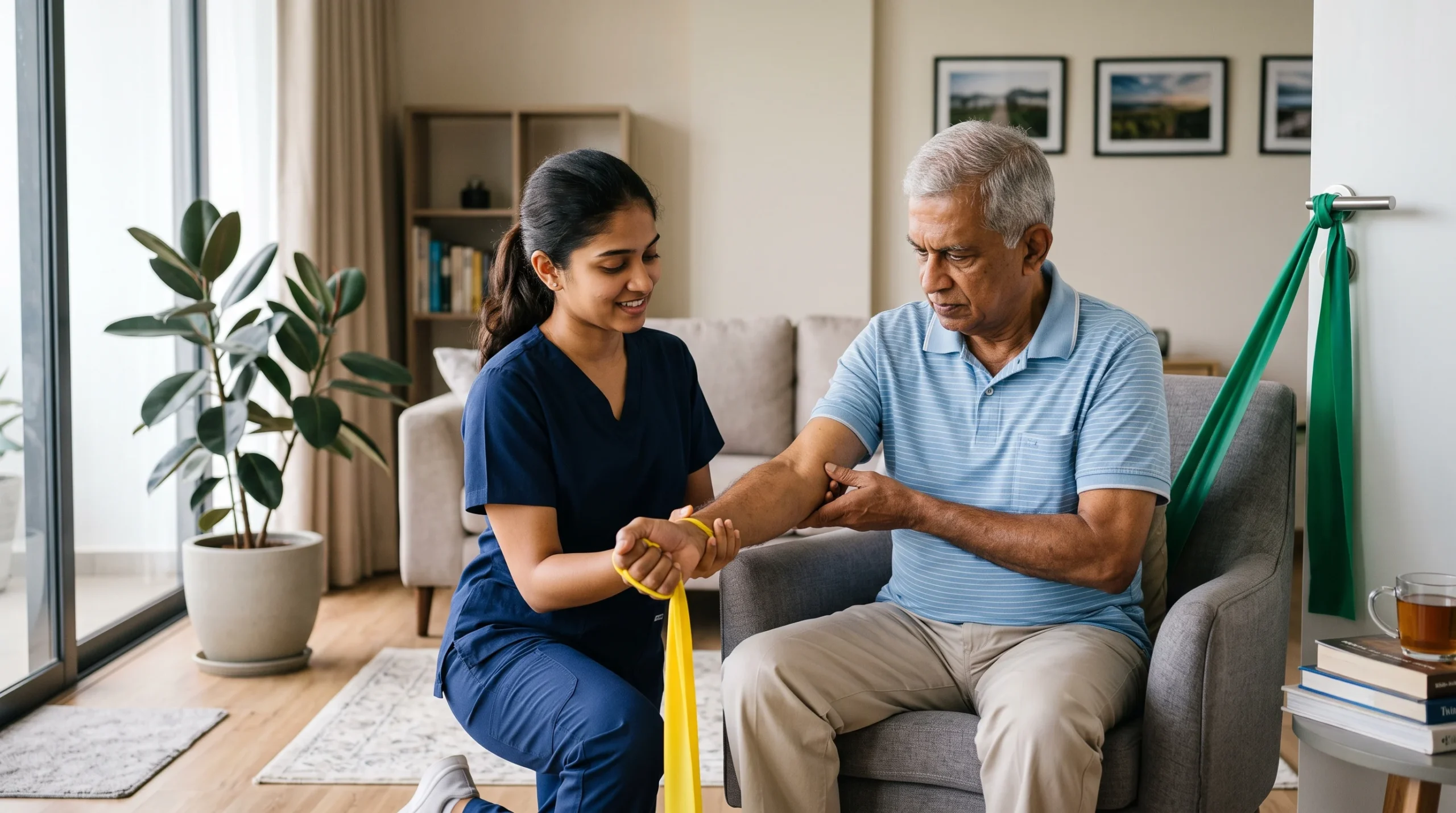
Professional home care paired with home-based physiotherapy helps seniors rebuild functional strength, correct gait imbalances, utilize mobility aids safely, and eliminate trip hazards throughout the residence.
5. Growing Isolation, Withdrawal, and Changes in Mood
Aging in place safely requires emotional well-being as well as physical health. Chronic loneliness among seniors is linked to rapid cognitive decline, depression, elevated cortisol levels, and weakened immune defense.
Take note if your parent:
- Abruptly stops attending social clubs, faith communities, or family gatherings.
- Leaves hobbies, crafts, or reading unpursued.
- Shows signs of apathy, irritability, or unusual sadness.
- Expresses deep anxiety about leaving the house alone.
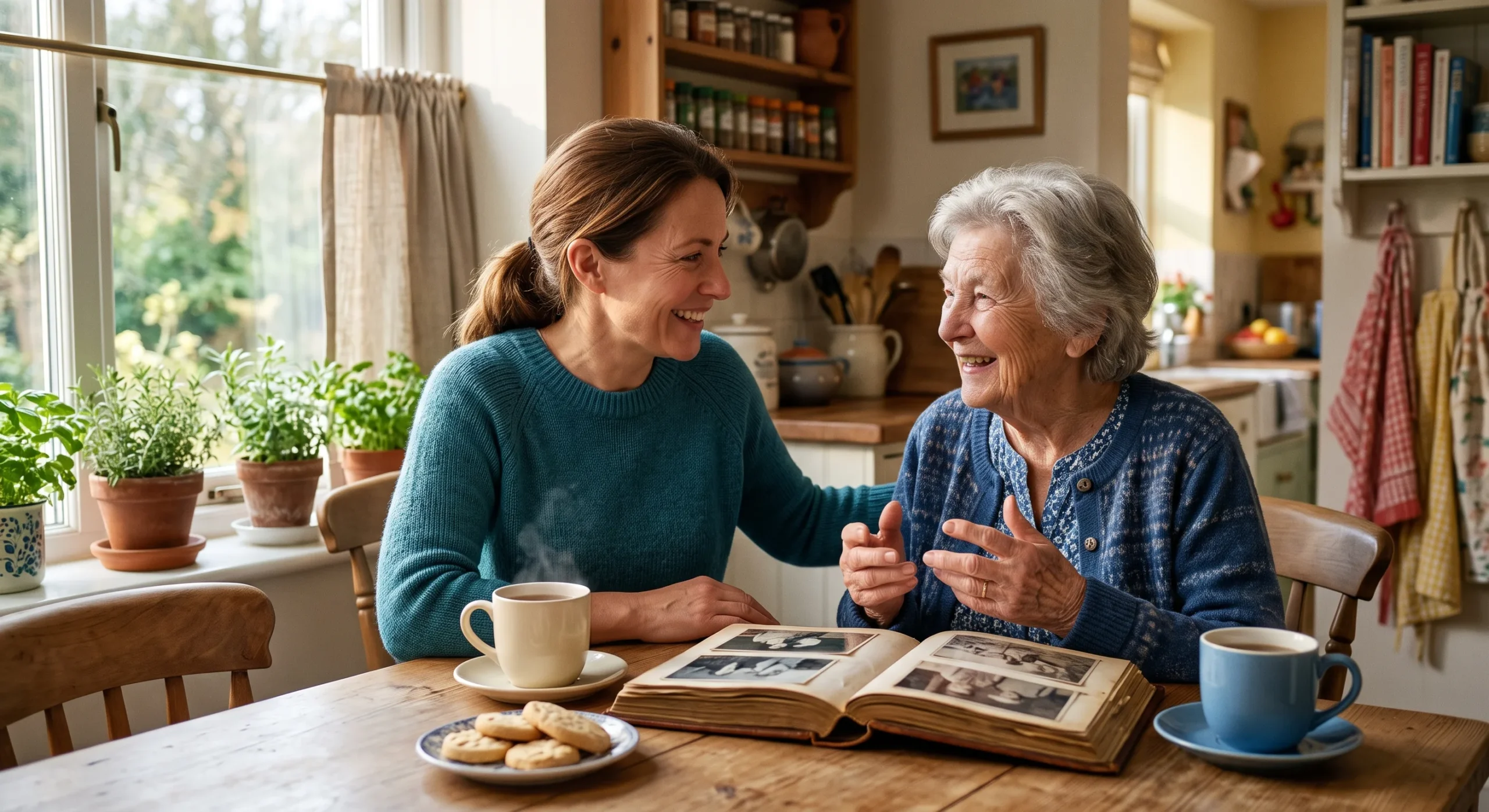
A compassionate caregiver provides meaningful companionship: playing board games, reminiscing over old photo albums, sharing warm conversations over tea, and providing safe transportation to social engagements. This human connection renews purpose and joy in everyday living.
6. A Neglected Home and Stacks of Unopened Mail
An older adult’s living environment often mirrors their current physical and mental stamina. When everyday home maintenance becomes unmanageable, safety hazards accumulate quickly:
- Cluttered hallways and walkways that heighten fall risks.
- Piles of unread mail, past-due utility notices, or duplicate bill payments.
- Scorched cookware or appliances left switched on.
- Piles of unsorted laundry, sticky surfaces, and an unkept bathroom.
Light housekeeping services relieve seniors of draining domestic burdens, keeping the home sanitary, organized, and physically safe.
7. Increasing Caregiver Burnout in Family Members
Recognizing that your parent needs assistance isn’t solely about observing them—it is also about honestly assessing yourself. If you are constantly feeling overwhelmed, juggling work deadlines, managing your own household, and losing sleep worrying about your parent’s safety, family caregiver burnout is already setting in.
Caregiver fatigue can strain parent-child relationships, replacing cherished family moments with resentment and exhaustion. Bringing in professional caregivers allows you to step back from being a 24/7 orderly and return to being a loving, supportive son or daughter.
Summary Checklist: Quick Self-Assessment
| Sign of Need | Specific Indicator | Recommended In-Home Solution |
| Personal Hygiene | Unwashed clothing, neglected grooming, fear of bathing | Certified PSW assistance with dignified daily care |
| Nutrition & Diet | Weight loss, expired fridge items, skipped meals | Meal planning, grocery shopping, fresh preparation |
| Medication Safety | Skipped doses, disorganized pill bottles, confusion | Scheduled medication reminders & nurse check-ins |
| Mobility & Safety | Unsteady gait, holding onto furniture, mystery bruises | Fall-prevention support & home-based physiotherapy |
| Social Well-being | Isolation, loss of interest in hobbies, depressive mood | Companion care, active games, and community outings |
| Home Environment | Unopened mail, cluttered floors, unwashed dishes | Light housekeeping, laundry, and home organization |
Conclusion: Embracing Care as an Act of Love
Deciding to arrange in-home care is rarely simple, but it is one of the most proactive, caring decisions a family can make. By addressing small everyday challenges early, you protect your parent from severe injuries, preserve their connection to their community, and give yourself peace of mind.
At Personal Care Help, our person-centered philosophy ensures your loved one receives skilled, respectful care that honors who they are as an individual—their passions, preferences, and lifestyle.
Take the First Step Toward Reliable, Compassionate Support
You don’t have to navigate senior care alone. Contact our experienced care coordinators at PersonalCareHelp today to book a comprehensive, no-obligation consultation. Let us build a personalized, joyful care plan tailored precisely to your family’s needs.