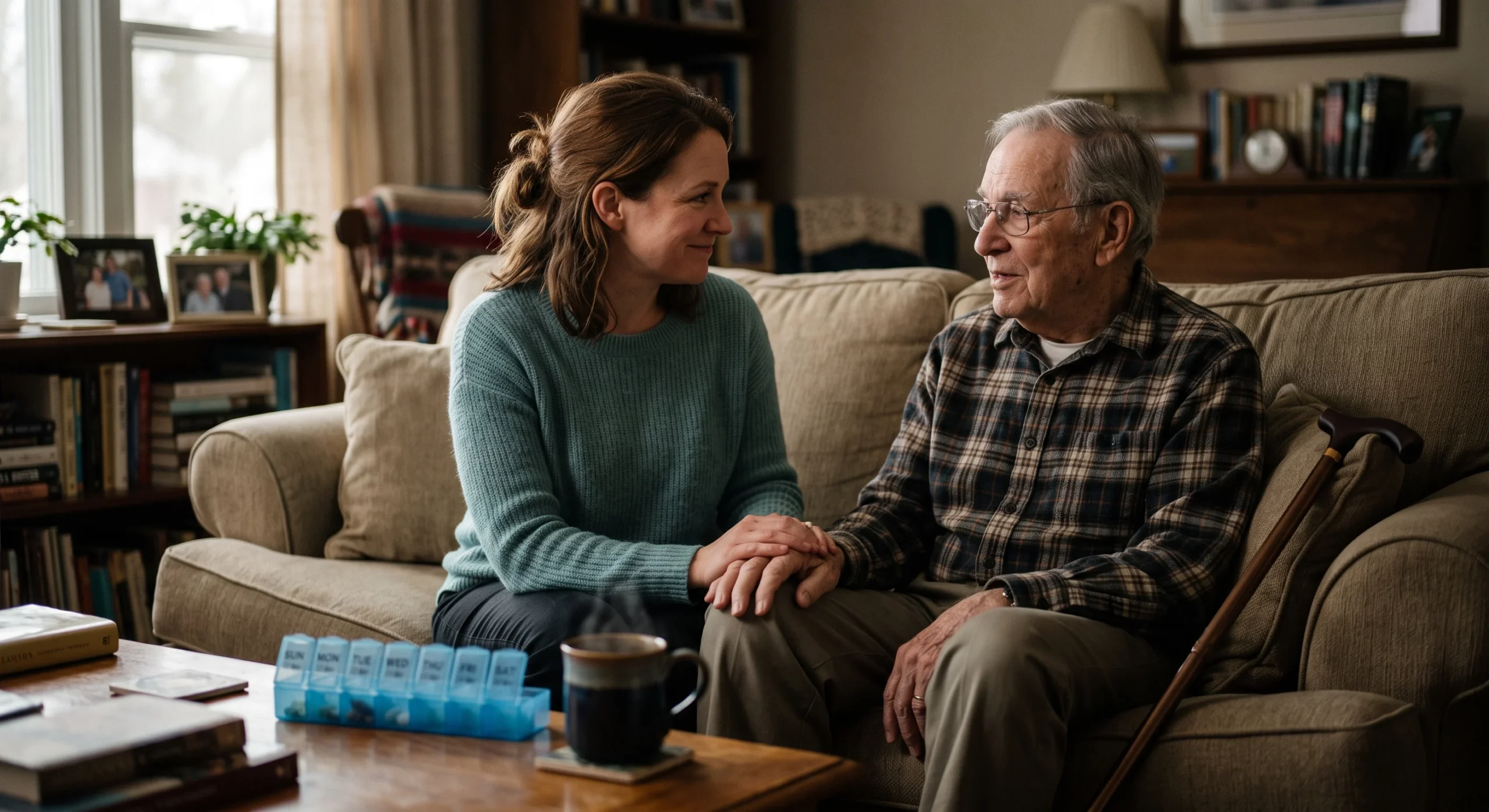
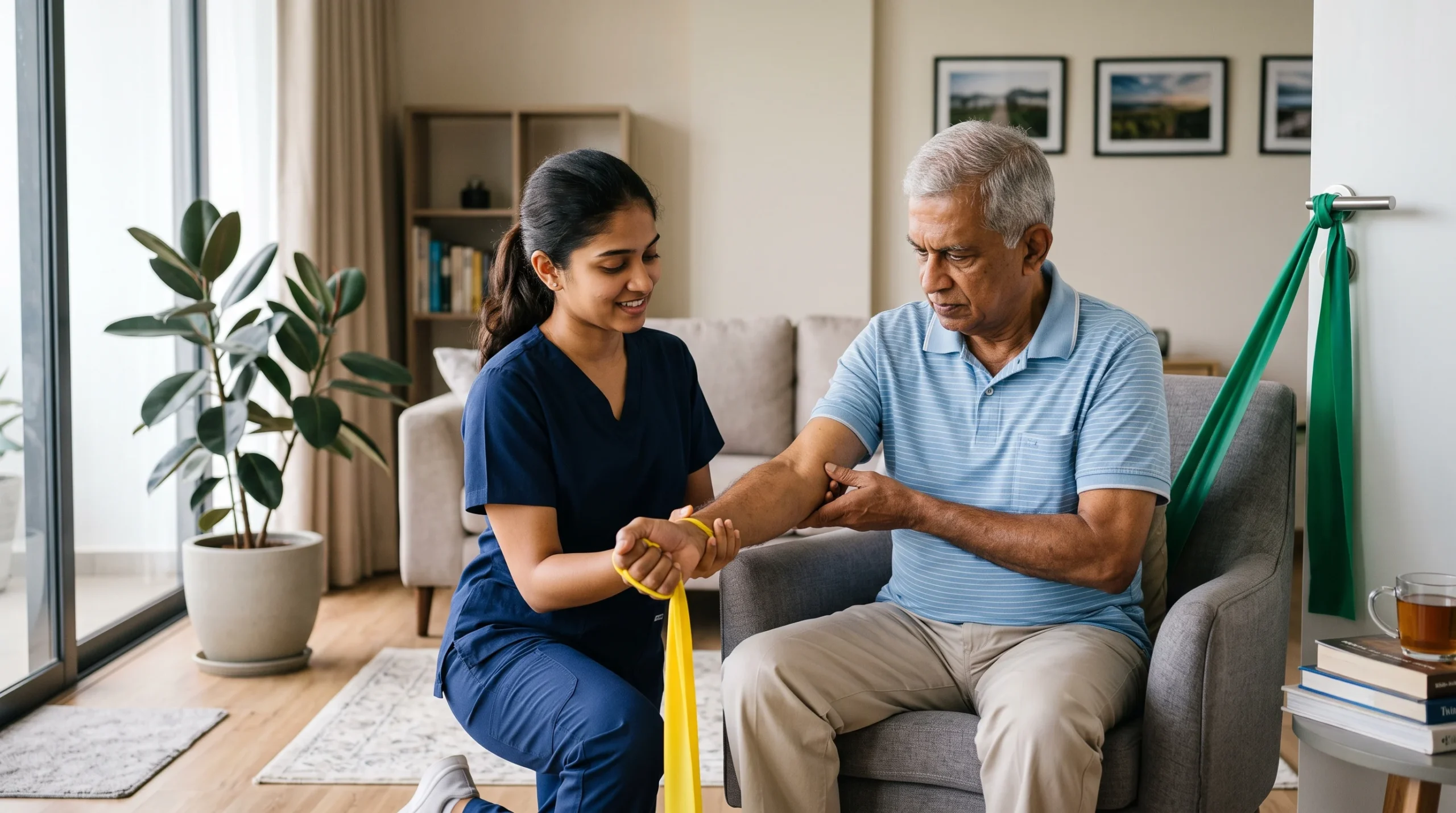
We readily recognize the physical challenges of aging: reduced mobility, changing vision, chronic arthritis, and complex medication regimens. Yet, one of the most serious threats facing older adults leaves no physical scars: chronic loneliness and social isolation.
In modern society, social networks naturally shrink over time. Friends pass away, physical limitations make driving or taking public transit challenging, retired routines lead to quiet days, and adult children are frequently consumed by demanding careers and their own families. Weeks can go by where an older adult’s only interpersonal exchanges are brief interactions with a cashier or delivery driver.
Public health research has made one fact clear: prolonged social isolation is as detrimental to human health as smoking 15 cigarettes a day. It elevates the risk of cardiovascular disease, accelerates cognitive decline, suppresses immune function, and triggers depression.
Fostering social connection is not a luxury in eldercare—it is an essential pillar of long-term health, vitality, and emotional longevity.
Understanding the Difference: Solitude vs. Prolonged Isolation
It is important to distinguish between healthy alone time and debilitating isolation:
- Solitude: A chosen, peaceful state of being alone to read, garden, reflect, or rest. It provides restorative energy.
- Social Isolation: An objective lack of social contacts, community connections, and reliable access to friends and family.
- Loneliness: The painful, subjective emotional distress experienced when one’s desire for meaningful human closeness remains unfulfilled.
Many seniors will downplay their feelings, telling family members, “I don’t want to be a bother; I’m doing fine on my own.” Beneath that modesty, however, often lies a deep craving for shared laughter, conversation, and daily purpose.
The Hidden Health Costs of Senior Loneliness
Loneliness affects the human body on a profound biological level:
- Cardiovascular Damage: Chronic social isolation activates persistent fight-or-flight stress responses, raising baseline cortisol levels, elevating blood pressure, and increasing the risk of stroke.
- Cognitive Decline: The human brain requires regular conversational and social engagement to maintain synaptic strength. Research shows isolated seniors experience accelerated rates of cognitive decline and face significantly higher rates of Alzheimer’s disease and related dementias.
- Depression and Anxiety: Without a sounding board, worries and physical discomforts can spiral into chronic anxiety and depressive episodes.
- Poor Self-Care Habits: Living alone without routine companionship frequently leads to irregular sleep habits, skipped medications, and poor nutrition, as preparing meals for one can feel thankless.
┌─────────────────────────────────────────────────────────────┐
│                 The Cycle of Senior Isolation               │
├─────────────────────────────────────────────────────────────┤
│                                                             │
│   Decreased Mobility / Loss of Peers                        │
│          │                                                  │
│          ▼                                                  │
│   Social Withdrawal & Loneliness                            │
│          │                                                  │
│          ▼                                                  │
│   Elevated Stress, Depression & Inactivity                  │
│          │                                                  │
│          ▼                                                  │
│   Accelerated Cognitive & Physical Decline                  │
│          │                                                  │
│          ▼                                                  │
│   Further Loss of Independence & Increased Isolation        │
│                                                             │
└─────────────────────────────────────────────────────────────┘
5 Effective Strategies to Foster Connection and Rebuild Joy
Combating senior loneliness requires a thoughtful, proactive approach that respects autonomy while providing consistent opportunities for connection.
1. Tap into Meaningful Interests and Hobbies
Reconnecting with past passions is one of the most effective ways to spark engagement. What brought your loved one joy earlier in life?
- Was it baking, watercolor painting, woodworking, or knitting?
- Did they love classical music, old cinema, or historical biographies?
- Did they enjoy strategic tabletop games like Scrabble, chess, or bridge?
Reintroducing these activities in an accessible, low-pressure format reactivates cognitive pathways and creates organic focal points for shared enjoyment.
2. Introduce Simple, Accessible Technology
Modern technology can bridge geographic distance when configured thoughtfully:
- Simplified tablets or dedicated video calling displays make one-touch video calls effortless for grandchildren living in different cities.
- Digital photo frames that family members can upload photos to in real-time let your parent see family milestones, school concerts, and vacations every morning.
- Audiobooks and voice-activated smart speakers allow seniors with failing eyesight to enjoy literature, check local news, and listen to favorite musical genres.
3. Anchor the Week with Regular Community Outings
Seniors need milestones to anticipate. Establish predictable, weekly out-of-the-house routines:
- A weekly walk through a local park, botanical garden, or outdoor market.
- Attending a neighborhood community center class, gentle chair yoga session, or senior book club.
- Visiting a favorite café or bakery every Tuesday morning for fresh tea and pastries.
Having specific events on the calendar helps prevent days from blending together into an indefinite blur.
4. Transform Mealtime into a Shared Experience
Eating alone is one of the clearest markers of senior isolation. Preparing food and sharing meals has been humanity’s primary social ritual for millennia. When seniors eat in the company of others, their appetites improve, nutritional intake increases, and conversations unfold naturally over good food.
5. Leverage Professional Companion Care
For busy families, providing daily social contact isn’t always possible due to geographical distance, demanding work hours, and childcare commitments.
Professional companion care bridges this gap with structured, dedicated companionship from certified care providers who focus on joy, conversation, and emotional safety.
The Role of Professional Companion Care: More Than Just a Sitter
Companion care is frequently misunderstood as passive supervision. High-caliber companion care, however, is dynamic, active, and deeply relationship-focused.
At its core, it centers around care with love—treating the senior as a whole person with an individual story, rather than a clinical patient with a checklist of symptoms.
A dedicated companion caregiver provides:
- Interactive Engagement: Engaging in lively, respectful discussions about current events, literature, and family histories.
- Shared Hobbies: Playing board games, solving puzzles, gardening, listening to favorite records, and cooking meals together.
- Accompanied Outings: Providing door-to-door transportation and steady walking assistance to grocery markets, library branches, places of worship, or hair appointments.
- Encouragement and Vitality: Helping your loved one maintain daily personal routines, encouraging light physical activity, and offering a reassuring presence that dispels anxiety.
┌──────────────────────────────────────────────────────────────┐
│        Companion Care vs. Pure Clinical Care                 │
├──────────────────────────────┬───────────────────────────────┤
│ Clinical-Only Care Focus     │ Holistic Companion Care Focus │
├──────────────────────────────┼───────────────────────────────┤
│ • Administering medication   │ • Fostering shared laughter   │
│ • Dressing wounds            │ • Playing Scrabble & games    │
│ • Measuring physical vitals  │ • Cooking fresh meals together│
│ • Charting medical data      │ • Encouraging personal stories│
│ • Managing pathology         │ • Preserving emotional dignity│
└──────────────────────────────┴───────────────────────────────┘
When genuine rapport forms between a senior and their caregiver, visits shift from being a service to a cherished highlight of the week.
Signs Companion Care Is Making an Impact
When appropriate companion care is introduced into an older adult’s life, family members quickly observe noticeable improvements:
- Brighter Affect: Smiles come easier, and conversations become more animated and detailed.
- Better Physical Appearance: Renewed interest in clothing, grooming, and personal styling.
- Improved Nutrition: Regular, wholesome meals prepared in a collaborative, social atmosphere.
- Cognitive Sharpness: More active recall, engagement in current events, and verbal fluency.
- Peace of Mind for Adult Children: Knowing someone dependable, warm, and attentive is checking in on your parent brings immense relief.
Conclusion: Restoring Purpose, Comfort, and Connection
Aging should be a season marked by dignity, appreciation, and rich human connection—not quiet loneliness spent in an empty room. By taking conscious steps to surround our aging family members with caring, patient, and joyful support, we protect their health and reaffirm their place in our lives.
At Personal Care Help, our care plans are designed around what brings your loved one joy. From sharing an afternoon board game and preparing nutritious dinners together to providing reliable transportation and personal care, our team members bring genuine warmth, safety, and friendship into every home we visit.
Help Your Loved One Rediscover the Joy of Companionship
Explore how dedicated, personalized companion care can brighten your loved one’s daily routine. Visit us at PersonalCareHelp today to speak with our compassionate team and design a custom care plan tailored to your family.